Lovely Deer Review for Craft Fair Success
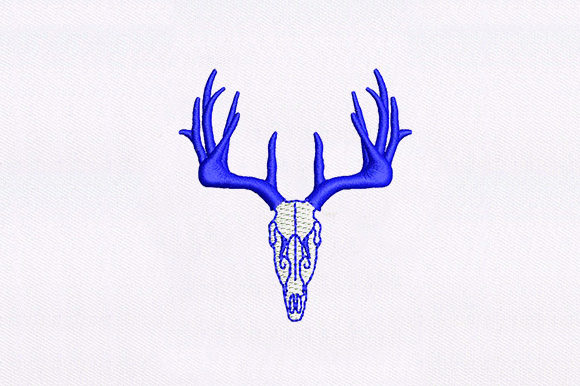
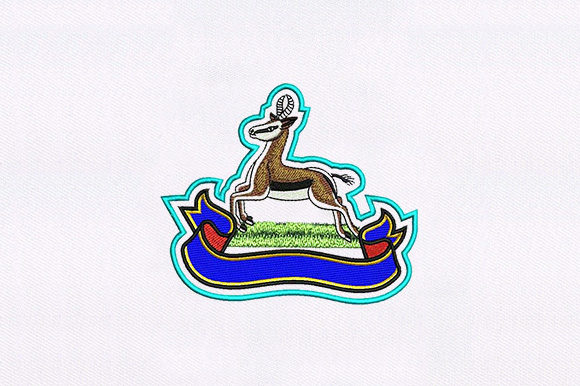
As an experienced embroidery designer who has spent years turning digital files into physical best-sellers, I know that the difference between a design that sits in a folder and one that clears a craft fair table often comes down to visual impact and practical application. When I first opened the file for Lovely Deer, my immediate thought was not about stitch counts or technical specs, but rather how this piece would look hanging on a tote bag in a bustling weekend market. This cute and colorful digital embroidery is perfect for adventurers, and as someone who understands the psychology of handmade shoppers, I can tell you that this design hits the sweet spot for modern craft fair products.
First Impressions: The Mood of Lovely Deer
The title Lovely Deer suggests something approachable and warm, which is exactly what this design delivers. Based on the description that it is "cute and colorful," I anticipate a vibe that blends rustic charm with modern playfulness. In a sea of minimalist black-and-white monograms or overly complex vintage scenes, a colorful woodland animal stands out immediately. It feels farmhouse yet modern, making it versatile enough to appeal to customers looking for gifts, personal accessories, or home decor accents. For a booth display, this level of color saturation is crucial because it catches the eye from across the aisle. It doesn't feel stiff or overly formal; instead, it radiates a sense of fun that invites customers to touch the product.
Product Potential: Where Lovely Deer Shines
When preparing a table display for a craft fair, variety is key. You want to show your customers how your machine embroidery design transforms different materials. Here is how Lovely Deer performs across various high-demand items:
- Tote Bag Design: This is arguably the strongest application. A canvas tote featuring Lovely Deer becomes an instant conversation starter. The colorful nature of the deer contrasts beautifully against neutral canvas, denim, or even bold solid colors like mustard yellow or navy blue. It works perfectly as a focal point on the front panel or as a charming accent on the side pocket.
- Apron Embroidery: For the home cook or gardener, an apron with this design adds a touch of personality to the kitchen. The "adventurer" theme mentioned in the description fits well with outdoor cooking or garden parties. The bright colors will pop against white linen or gingham patterns, elevating a standard utility item into a handmade product that feels premium.
- Tea Towel Embroidery: Kitchen linens are always a staple at craft fairs. Lovely Deer brings a whimsical element to tea towels. Because the design is described as cute and colorful, it avoids looking too heavy on delicate fabric. It creates a delightful gift set when paired with matching napkins or oven mitts.
- Caps and Patches: If you are selling apparel, this design translates exceptionally well to caps. However, for maximum sales potential, consider creating an embroidered patch version. A detachable patch allows the customer to customize their own backpack or jacket, increasing the perceived value of the item. The colorful details make it an excellent choice for a back-of-hat placement where it serves as a statement piece.
- Fabric Pouches and Pillow Covers: Small pouches for cosmetics or travel essentials are high-margin items. Lovely Deer adds a polished finish to these small projects. Similarly, on pillow covers, the design can serve as a cozy centerpiece for a living room, appealing to buyers looking for commercial embroidery that feels personal and unique.
Selling Points and Visual Appeal
For an Etsy seller or a boutique maker, the ability to photograph a product effectively is just as important as the stitching itself. Lovely Deer offers high visual appeal because of its color palette. In online listings, vibrant colors attract clicks faster than muted tones. When creating a printable mockup for your shop, ensure the background complements the deer's colors without overpowering them. A natural setting or a clean, light-colored surface will make the design assets shine.
From a production standpoint, this design feels repeatable for batch production. If the stitch density is balanced, you can run multiple units efficiently, which is essential for meeting the demand of a busy craft fair. Customers notice quality instantly; they want to see that the finished product looks crisp and professional. A design that balances cuteness with structural integrity will build trust in your brand consistency. When a customer sees a well-executed Lovely Deer on a hat, they are more likely to imagine it on a tote bag or a shirt, driving up the average order value.
Practical Considerations for Production
While the aesthetic potential is clear, a professional designer knows that execution is everything. Before you commit to mass-producing items for your booth, there are several technical factors to evaluate. First, assess the stitch density. If the design has dense areas, ensure it won't pucker on thinner fabrics like cotton tees or lightweight bags. Conversely, if it is too sparse, it might lack the richness required for a premium feel.
You must also consider the hoop size relative to your product. A large design might be difficult to fit on a standard cap brim or a small pouch, while a tiny version might lose the "colorful" detail that makes it special. Always test the design on scrap fabric before running a full production batch. Check the thread contrast carefully; dark threads on dark fabric or light threads on light backgrounds can cause the design to disappear, ruining the "adventurous" and vibrant spirit of the piece.
Where to Be Careful
There are specific scenarios where Lovely Deer might struggle if not handled correctly. If the design includes tiny details or intricate lettering, be cautious about scaling it down for very small items like keychains or small earrings. At smaller sizes, these details may blur or become indistinguishable, leading to customer disappointment. Similarly, working with textured towels or thick denim requires extra attention to stabilizer selection. Without the right support, the design may shift or look uneven on fabric texture that moves under the needle.
Curved surfaces, such as the crown of a cap, can distort the image if the design isn't optimized for 3D shaping. If the original file is flat, it might stretch awkwardly on a curved brim. Additionally, if you plan to use this on dark fabric, ensure you have a plan for underlay stitches to prevent the fabric from showing through the lighter colors of the deer. These nuances separate a hobbyist project from a professional small shop product.
Final Designer Notes for the Booth
To truly succeed with Lovely Deer at your next craft fair, treat it as a complete brand asset. Create at least one real mockup using the actual fabric and thread colors you intend to sell. Compare different fabric colors to find the combination that makes the design pop the most. Don't forget to review the spacing; adequate negative space around the deer ensures the design breathes and looks intentional.
Finally, confirm your commercial licensing before selling finished products. As a digital embroidery file user, you need to know if you are allowed to create and sell physical items based on this design. Once those legalities are sorted, focus on the story. The "adventurer" theme is a powerful narrative hook. Position your craft fair product line as a celebration of the outdoors and creativity. By combining the visual charm of Lovely Deer with meticulous production standards, you will create a booth display that not only looks amazing but drives real sales.