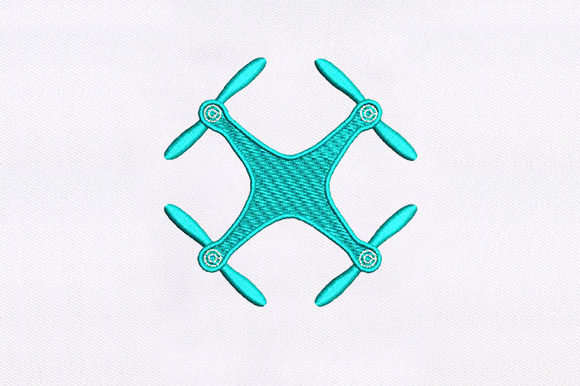
Drone Camera: A Designer's Review for Craft Fair Success
As an experienced embroidery designer who has spent countless weekends setting up booths at local craft fairs and managing a busy handmade shop, I know that the difference between a design that sits on a shelf and one that sells out in minutes often comes down to visual impact and practical application. Today, I am reviewing a specific machine embroidery design titled Drone Camera. This piece falls under the Vacation category and is available as a versatile embroidery file compatible with almost every major machine format, including PES, DST, JEF, and HUS. If you are an Etsy seller, boutique maker, or creative entrepreneur looking to add a modern twist to your inventory, this review will help you decide if Drone Camera is the right asset for your next production run.
First Impressions: Modern, Bold, and Travel-Ready
When I first loaded the digital file for Drone Camera, my immediate reaction was one of clean, modern lines. Unlike traditional farmhouse motifs or soft floral patterns, this design feels distinctly contemporary. It captures the essence of the hobbyist photographer and the tech-savvy traveler without feeling cluttered. The title suggests a focal point that is both technical and artistic, making it perfect for customers who appreciate the intersection of technology and nature.
In a crowded market booth, designs that stand out usually have strong geometric shapes or clear silhouettes. Drone Camera delivers exactly that. It reads well from a distance, which is crucial when you are trying to catch the eye of passersby walking past your display table. Whether you view it as a statement piece or a subtle accent, the design holds its own visually. It feels premium enough to justify a higher price point on finished goods while remaining approachable enough for everyday items like tea towels and tote bags.
Product Potential: Where Drone Camera Shines
The versatility of Drone Camera makes it a powerhouse for a wide range of crafter products. Here is how I envision this design performing across different categories for a weekend fair or online store:
- Tote Bags and Market Bags: A large-scale application of Drone Camera on a canvas tote bag creates an instant conversation starter. It appeals directly to the outdoor enthusiast and the urban explorer. The design works beautifully as a central focal point on the front of the bag, elevating a standard accessory into a branded handmade product.
- Apron Embroidery: For the home cook who loves to travel or the food blogger who documents their journey, an apron featuring this design is a unique gift idea. Placed on the bib or the lower pocket, it adds a playful yet professional touch to kitchen wear.
- Tea Towel Embroidery: Kitchen textiles are best sellers at craft fairs. Drone Camera translates well to linen or cotton towels, offering a modern alternative to traditional herb or fruit motifs. It fits perfectly into a "Traveler's Kitchen" collection.
- Embroidered Patches and Caps: One of the most profitable items for small business owners is the embroidered patch. Because the design is likely compact and defined, it would look fantastic sewn onto denim jackets, beanies, or baseball caps. The curved surface of a cap can sometimes distort complex images, but a streamlined drone silhouette usually adapts well to the curve.
- Pillow Covers and Small Pouches: For home decor, placing Drone Camera on a throw pillow introduces a pop of personality to a living room. Similarly, small fabric pouches for storing SD cards or charging cables make excellent low-cost impulse buys for your booth visitors.
Production Realities and Visual Appeal
From a production standpoint, the success of any commercial embroidery project relies on clarity and repeatability. When evaluating Drone Camera for batch production, I consider how easily it can be digitized and stitched without losing detail. The design appears to have a balance of fill stitches and satin stitches, which is ideal for maintaining structure.
However, there are practical considerations regarding stitch density and thread colors. If the design contains tiny details representing camera lenses or propellers, these elements might become muddy if stitched too small or if the thread count is too high. To ensure the finished product looks crisp, I recommend testing the design on scrap fabric before committing to a full production run. Pay close attention to how the design photographs; a great design in person can sometimes lose definition in a photo listing if the lighting isn't right. High contrast between the thread and the fabric is essential for capturing the attention of online shoppers browsing your Etsy listings.
The design also needs to be evaluated for its scalability. Can Drone Camera work as a small accent on a keychain, or does it require a larger hoop size to maintain its integrity? Understanding the optimal hoop size for this file is critical. If the design is too dense for a smaller hoop, it may cause puckering, especially on lighter fabrics like thin tees or delicate linens.
Careful Use Notes for the DIY Crafter
Even the most beautiful digital embroidery file can fail if the execution is off. Before turning Drone Camera into a sellable item, keep these warnings in mind:
- Fabric Texture: Avoid using this design on highly textured fabrics like heavy waffle weave or boucle unless you plan to use a stabilizer specifically designed for rough surfaces. The texture can obscure the fine details of the camera lens.
- Dark Fabric Challenges: If you are stitching on dark backgrounds, ensure you have a high-quality underlay and sufficient topstitch coverage. Dark threads can sometimes blend into the fabric if the stitch count is low, making the design appear faded.
- Small Lettering: If the design includes text, verify that the font size is legible. Tiny lettering on a curved cap or a small pouch can easily become unreadable once stitched.
- Stabilizer Selection: Always match your stabilizer to the weight of your fabric. For lightweight materials used in tea towel embroidery or tote bag design, a cut-away stabilizer is often necessary to prevent distortion during washing.
Final Verdict: A Strong Addition to Your Shop
Drone Camera is a timely and appealing choice for the modern crafter. It taps into the growing interest in photography, travel, and technology, making it a relevant addition to any small shop product line. Its ability to transition seamlessly from a functional item like an apron to a decorative piece like a pillow cover gives it a high return on investment for your time.
Before you start selling, remember to create at least one real mockup to see how the design interacts with your specific fabric choices. Check your commercial licensing terms to ensure you are cleared to sell the finished items. With the right preparation, Drone Camera has the potential to be a standout item in your booth display, drawing in buyers who are looking for something fresh, functional, and stylish. By focusing on quality execution and smart product placement, you can turn this design asset into a consistent revenue stream for your handmade business.