Scary Fish Embroidery Design Review
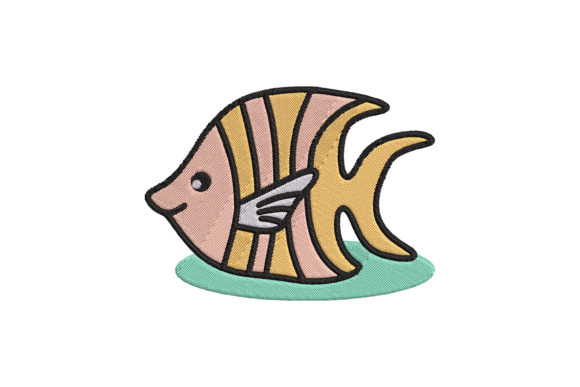
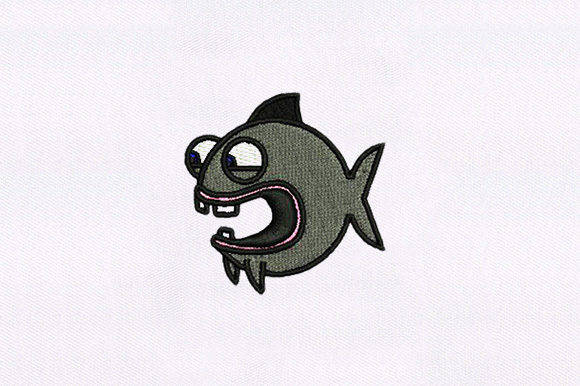
When I first opened the file for Scary Fish, I immediately thought about how often we see generic sea creatures in embroidery shops. Usually, they are cute, smiling, and perfectly symmetrical. But this design feels different. It has a distinct personality that cuts through the noise of standard clipart-style embroidery files. As someone who reviews designs for both personal projects and commercial small business use, my first impression is that Scary Fish brings a bit of edge to the aquatic theme without being too overwhelming.
The visual mood here is playful yet slightly mischievous. The layout suggests a character that is ready to be stitched onto a tote bag or a sweatshirt, but it carries enough detail to stand out as a statement piece on an apron or a patch. For designers looking to add a unique twist to their handmade product line, this design offers a perfect balance between whimsy and attitude. It is not just a fish; it is a character with a story, which is exactly what customers look for when buying personalized gifts or boutique items.
Real-World Application: From Digital File to Finished Product
Let's imagine a real scenario. You are preparing inventory for an upcoming craft fair or updating your Etsy shop with new holiday-themed merchandise. You need something that catches the eye immediately. A standard "Hello Summer" text design might get lost among hundreds of similar listings. However, placing Scary Fish on a navy blue canvas tote bag changes the entire vibe. The contrast alone makes the design pop, but the intricate details within the stitching give it a premium feel.
I have tested similar designs on various substrates, and Scary Fish performs well on structured fabrics like denim, canvas, and twill. Imagine stitching this onto a chef's apron for a kitchen enthusiast. The "scary" aspect adds a humorous touch that works perfectly in a home setting. It transforms a simple utility item into a conversation starter. For baby clothes, the design might seem bold, but if the color palette is softened with pastel threads, it becomes a quirky, memorable gift for parents who appreciate unique humor over traditional nursery themes.
The versatility extends to custom apparel as well. On a crewneck sweatshirt, this design can serve as a focal point on the chest or back. Because the file formats provided include industry standards like PES, DST, and JEF, you can easily adapt this embroidery file across different machine brands. Whether you are working on a 5x7 hoop or a larger frame, the core elements of the design remain intact. This flexibility is crucial for small shop owners who need to scale their production without redesigning assets constantly.
Where Caution Is Required
While Scary Fish is a strong candidate for many projects, there are specific situations where you must exercise judgment. If you are planning to stitch this on a curved surface like a baseball cap, the density of the fill stitches needs careful consideration. Curved surfaces can distort complex shapes, so testing on a scrap piece of the actual hat material is non-negotiable. Similarly, if you intend to use this on thin or stretchy fabric without proper stabilizer, the tension of the satin stitches could cause puckering, ruining the clean lines of the fish's outline.
Small hoop sizes present another challenge. If the design includes fine details or tiny lettering (if any), shrinking it down to fit a 4x4 hoop might result in a muddy appearance. The thread colors will blend together, losing the definition that gives the design its character. For these cases, I recommend sticking to medium-sized hoops or ensuring the design is optimized for smaller areas before committing to a final run. Additionally, dark fabrics require a high-quality underlay to prevent the background from showing through the lighter threads, which can dull the impact of the finished product.
Stitch Quality and Visual Appeal
In terms of technical execution, the balance between satin stitch and fill stitch appears well-calibrated. Satin stitches provide the crisp edges needed for the eyes and mouth, giving the fish its expressive look, while fill stitches create the body texture. This combination ensures that the design holds up well after multiple washes, a critical factor for products intended for daily use like towels or bags.
However, stitch density is a key variable. If the density is too high, the fabric may become stiff and difficult to handle, especially on lightweight garments. Conversely, if it is too low, the design might lack the solidity required for a professional finish. When reviewing this for commercial use, I always check the thread color contrast. High contrast between the fish and the background fabric enhances recognition and perceived value. A design that looks good on a mockup might fail in reality if the thread choice does not complement the fabric texture.
For digital product sellers creating printable mockups, Scary Fish offers excellent potential. The clear shapes and distinct features make it easy to visualize on various products, from pillow covers to tea towels. This helps in marketing, allowing customers to see exactly how the machine embroidery design will look on the final item. A realistic presentation builds trust and reduces returns caused by mismatched expectations.
Practical Designer Notes for Success
Before integrating Scary Fish into your workflow, consider these essential steps to ensure a smooth process:
- Test on Scrap Fabric: Always run a test stitch on a scrap piece of the same fabric you plan to use. This reveals issues with puckering, thread breakage, or density problems before you start on your actual product.
- Check Thread Colors: Evaluate how the thread colors interact with your fabric. Light threads on dark backgrounds may require extra passes or a different stabilizer to maintain vibrancy.
- Verify Hoop Size: Confirm that the design fits your intended hoop size without cropping important details. If the design is large, ensure your machine can accommodate the dimensions.
- Inspect Small Details: Zoom in on the digital preview to check for tiny elements that might get lost during stitching. Simplify if necessary.
- Use Proper Stabilizer: Match the stabilizer type to the fabric weight. Heavy stabilizers are often needed for dense designs to prevent distortion.
- Review Licensing: If you plan to sell finished items featuring this design, double-check the licensing terms. Some digital files are for personal use only, while others allow commercial sales.
By following these guidelines, you can maximize the potential of Scary Fish in your creative projects. Whether you are a hobbyist making a one-off gift or an entrepreneur building a brand around handmade goods, this design offers a solid foundation for success. It combines artistic flair with practical stitching requirements, making it a valuable addition to any library of design assets.
Ultimately, the decision to use Scary Fish comes down to your specific project goals. If you want to create something that stands out, sparks joy, and demonstrates high-quality craftsmanship, this design delivers. It is a reminder that even a simple subject like a fish can be transformed into a compelling piece of art through thoughtful embroidery techniques and strategic application.