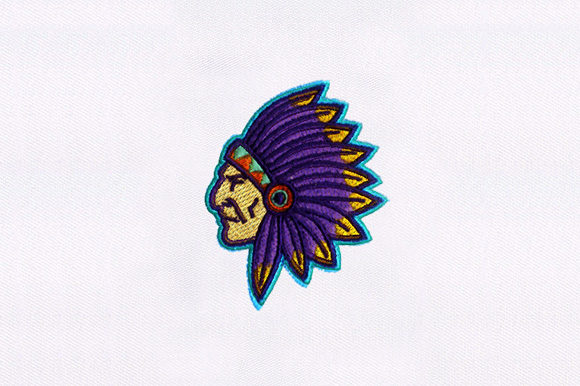
Native War Bonnet: Boutique Sweatshirt Review
As an experienced embroidery designer, I am constantly evaluating new assets to see if they can elevate a small clothing brand from generic to memorable. Recently, I came across the Native War Bonnet machine embroidery design with the intent of using it for a limited drop of premium sweatshirts for a boutique client. This review is not just about the file formats or the stitch count; it is about how this design translates from a digital asset into a tactile, high-value finished product on real fabric.
The concept of a Native War Bonnet carries significant cultural weight and visual grandeur. When looking at the specifications provided, which include extensive file compatibility like PES, DST, EXP, HUS, JEF, and others, the immediate question is whether this digital embroidery file has the structural integrity to handle the thick, textured environment of sweatshirt material. For an Etsy seller or a small shop owner, the difference between a cheap-looking print and a luxurious embroidered patch often comes down to these specific design details.
First Impressions and Design Personality
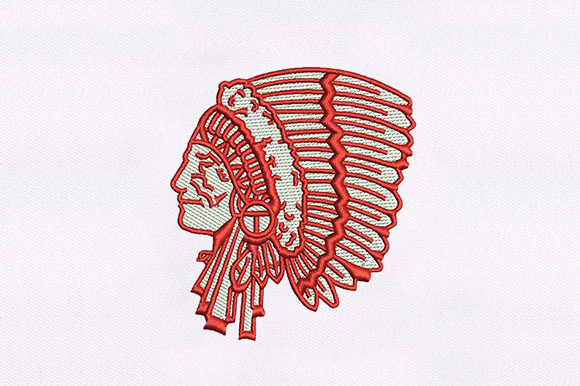
The first thing that strikes me when reviewing the Native War Bonnet is its potential mood. The title suggests a bold, rustic, and perhaps even spiritual aesthetic. In the world of handmade products, this design feels less like a playful cartoon and more like a statement piece. It leans towards a decorative and bold style rather than minimal or cute. If you are aiming for a feminine or soft look, this design might be too heavy-handed unless the thread colors are chosen very delicately. However, for a brand identity rooted in heritage, strength, or outdoor lifestyle, this design offers a powerful visual anchor.
I imagine this design placed on the chest of an oversized hoodie. The layout needs to balance the intricate details of feathers and traditional patterns against the vast negative space of a neutral heather grey sweatshirt. On dark fabric, the contrast becomes critical. A well-executed embroidery design here would pop with a premium feel, but if the stitch density is too low, the design will get lost in the fabric texture. Conversely, if the density is too high, the sweatshirt fabric might pucker, ruining the drape of the garment.
Applying the Design to Apparel Categories
For a boutique brand, versatility is key. How does the Native War Bonnet translate across different apparel items? On a cozy seasonal pullover, the design could serve as a focal point for autumn collections, evoking feelings of warmth and tradition. The "North America" category tag in the description suggests a thematic fit for fall harvest events or regional pride merchandise.
Consider the application on pastel colors. While often risky for bold designs, a Native War Bonnet rendered in metallic threads or soft pastels could create a stunning, unexpected juxtaposition. It transforms the item from standard streetwear into something artistic and unique. For sleeve accents, a smaller version of the motif could work beautifully, adding a subtle touch of branding without overwhelming the wearer. This level of customization is exactly what drives customer engagement for creative entrepreneurs who want their customers to feel part of a curated collection.
Technical Considerations for Sweatshirt Embroidery
When moving from screen to sweatshirt, practical concerns take center stage. The thickness of fleece requires a robust approach to stabilizer choice. A lightweight cut-away stabilizer is often necessary to support the weight of the feather details without causing the fabric to collapse. I would advise checking the specific hoop size requirements before starting production. If the design exceeds the capacity of a standard 4x4 hoop, you may need to digitize it for a larger frame or split the design, which can affect the continuity of the final look.
Thread color contrast is another vital factor. The machine embroidery design must have enough variation in shading to stand out on both light and dark backgrounds. If the original file relies heavily on fine lines that are difficult to stitch densely, the result might look muddy on a textured cotton blend. For commercial embroidery use, the design needs to hold up to washing durability tests. Feathers and long stitches can snag easily, so the underlay stitching must be sufficient to lock the top layers into the fabric securely.
Small-size readability is a common pitfall. If you plan to offer custom apparel with smaller logos, ensure the embroidery file retains its detail when scaled down. A complex bonnet design might lose definition if shrunk too much, turning a premium feature into a blurry blob. Always test a sample on your actual fabric stock before committing to a full run.
Strategic Use in Marketing and Branding
Beyond the physical construction, the Native War Bonnet plays a massive role in product value and buyer trust. High-quality embroidery signals effort and quality to the consumer. When a shopper sees a detailed, raised stitch pattern on a sweatshirt, they perceive higher value compared to a flat print. This perception directly impacts the ability to charge a premium price point.
For an Etsy seller, the visual presentation is everything. Using printable mockups that showcase the texture of the embroidery can significantly boost conversion rates. Imagine a lifestyle product photography shot where the sunlight catches the sheen of the threads in the bonnet design. This visual recognition helps build a cohesive brand identity. Customers remember brands that look consistent and professional. By integrating this design into a limited drop, you create scarcity and exclusivity, encouraging quick purchases.
The design also serves as a conversation starter. Whether it is worn by a craft crafter or a fashion-forward individual, the story behind the imagery adds depth to the handmade product. It moves the item from being just a piece of clothing to a wearable piece of art. This emotional connection is what keeps customers coming back to a small shop product line.
Final Thoughts on Commercial Viability
In conclusion, the Native War Bonnet presents a compelling opportunity for small clothing brands and apparel decorators willing to invest time in proper setup. Its bold nature makes it ideal for making a statement on hoodies, jackets, and tote bags. However, success depends entirely on execution. You must respect the fabric texture, choose the right stabilizer, and select thread colors that enhance rather than clash with the design.
Before diving into mass production, I strongly recommend verifying the exact stitch count and file format compatibility. While the list includes industry standards like ART, CND, DSB, DSZ, PCS, PEC, TAP, VIP, VP3, XXX, and 10O, ensuring your specific machine reads these files correctly is step one. Do not assume the design will work perfectly without a test run. A single failed batch can damage a brand's reputation, while a successful launch can establish a loyal customer base.
If you are a digital embroidery file creator or a boutique owner looking to expand your catalog, this design offers a strong foundation for a premium collection. It balances cultural homage with modern streetwear aesthetics, provided the technical execution is flawless. For those seeking to elevate their custom apparel game, paying close attention to the nuances of stitch density and placement will ensure the Native War Bonnet delivers the premium feel your customers expect.