Line Pattern Lineart: A Designer's Review for Personalized Gifts
As an experienced embroidery designer who has spent years turning digital files into tangible heirlooms, I recently put Line Pattern Lineart to the test. My goal was simple but critical: determine if this design is ready for my own line of personalized gift products before I present it to real customers. The market for handmade goods is saturated, and buyers today are looking for that perfect blend of elegance and charm that makes a gift feel truly special. After running several test stitches on various fabrics, I can confidently say that this design has serious potential for your shop.
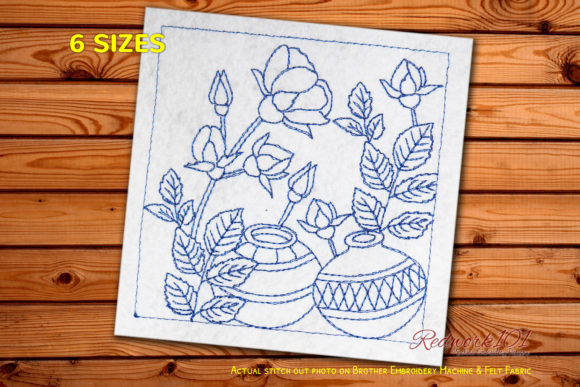
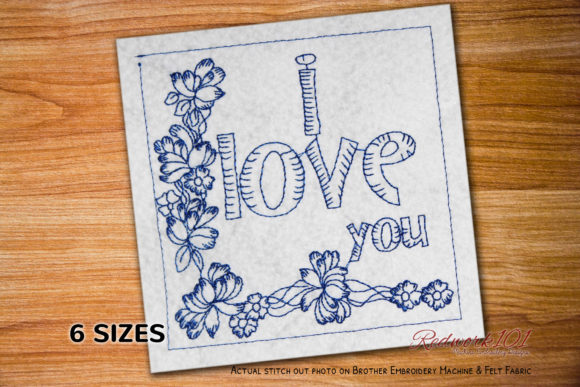
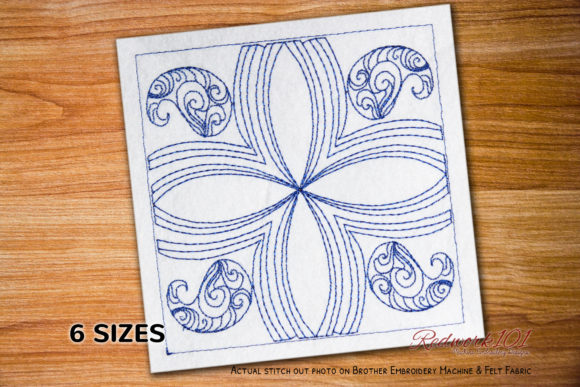
The first impression of Line Pattern Lineart is one of understated sophistication. Unlike heavy, fill-heavy designs that can look bulky or dated, this piece relies on clean lines and open space. It feels modern yet timeless, making it incredibly versatile for a wide range of occasions. Whether you are creating a baby shower keepsake or a sophisticated wedding favor, the mood of this design strikes a balance between sweet and elegant. It possesses a delicate charm that suggests quality without shouting for attention. For Etsy sellers and small business owners, this kind of aesthetic is gold because it appeals to buyers who want something unique that doesn't look mass-produced.
Perfect Applications for Your Gift Shop
When I imagine this design in a finished product, I see it thriving on items that require a touch of grace. The clean outlines make it ideal for embroidered towel sets for new homeowners or couples. Imagine a set of kitchen towels featuring Line Pattern Lineart with a custom name stitched beneath; it would instantly elevate a standard housewarming gift into a cherished family keepsake. The design also shines on nursery decor. For baby product creators, using this pattern on a swaddle blanket or a crib bumper creates a serene atmosphere that parents love. The lack of dense stitching ensures the fabric remains soft against a baby's skin, which is a non-negotiable factor for any parent.
I also envision this design performing beautifully on tote bags and aprons for craft fair products. The simplicity allows the personalization—the customer's name or a specific date—to take center stage while the floral outline provides a lovely frame. For wedding gift designers, Line Pattern Lineart offers a romantic vibe suitable for pillow covers or monogrammed handkerchiefs. It works well as a standalone motif or paired with other elements to create a cohesive collection. If you are selling digital embroidery file mockups, this design translates exceptionally well into printable mockups, allowing you to showcase how it looks on different textures before the actual stitching begins.
Understanding the Design Structure
One of the most practical aspects of Line Pattern Lineart is its structural flexibility. According to the product details, the box stitch shown in the preview is optional. This is a massive advantage for customization. In many of these designs, the color of the outer box might differ from the main motif, or it might not be part of the design at all. You have the freedom to skip the colored direction entirely if you prefer a cleaner look. This means you can adapt the design to match any thread colors you choose, ensuring high contrast and visual appeal regardless of the base fabric.
This flexibility extends to the category of Outline Flowers. Because the design focuses on the outline rather than heavy filling, it captures the essence of the flower without overwhelming the garment. It is a classic approach that never goes out of style. For those who specialize in custom embroidery, this design allows you to play with thread colors creatively. You could use a metallic thread for the outline to add a shimmering effect, or stick to cotton threads for a matte, rustic finish. The key is to ensure the thread colors complement the fabric texture, whether it is linen, cotton, or a blend.
Where to Exercise Caution
While Line Pattern Lineart is versatile, no design is perfect for every single application. As a professional reviewer, I must advise caution when applying this to certain materials. First, avoid using this design on stretchy baby clothes like onesies unless you are using a very stable stabilizer. Stretchy fabrics can distort fine line work, causing the lines to wobble or break. Similarly, be careful with textured fabrics like thick terry cloth towels. While embroidered towels are popular, the loops in the fabric can sometimes catch the needle or hide the finer details of the line art.
Another area to watch is dark fabric. Because this design relies on lines rather than solid blocks of color, low contrast can make the design disappear. If you are working with dark backgrounds, you may need to use a lighter thread color or apply a tear-away stabilizer underneath to prevent the design from sinking into the weave. Additionally, curved surfaces like rounded mugs or curved hat brims can be challenging for linear patterns. The lines might appear distorted if the hoop size does not accommodate the curve correctly. Always check the hoop size requirements and ensure your machine can handle the specific dimensions of the design.
Practical Tips for Production Success
To ensure your finished products maintain the highest quality, there are several steps you should take before running a full production batch. Start by testing on scrap fabric that matches the final product. This will help you verify the stitch density and ensure the design holds up under tension. Check the thread color contrast carefully; what looks good on a screen often looks different once stitched. Use a proper stabilizer to support the fabric during the stitching process, especially for lightweight materials like napkins or baby blankets.
If you are planning to sell these items commercially, review the commercial licensing terms before listing them on Etsy or your own website. Ensure you have the right to sell finished products made from this machine embroidery design. When photographing your final products, focus on close-ups that highlight the crispness of the lines. This builds customer trust and demonstrates the handmade quality of your work. Buyers are more likely to engage with images that show the texture and detail of the embroidery clearly.
The Emotional Impact of Quality Embroidery
Ultimately, the success of Line Pattern Lineart comes down to the emotional connection it fosters. A well-executed embroidery design transforms a simple object into a memory. When a customer receives a pillow cover or a blanket featuring this delicate line work, they feel the care and precision that went into making it. This perceived value is crucial for small shop owners trying to stand out in a crowded marketplace. The design’s ability to convey a sense of tradition and craftsmanship helps justify a higher price point and encourages repeat business.
For digital product sellers, offering this design as part of a curated collection can drive sales. Customers are always looking for designs that are easy to customize yet look professional. By providing clear instructions on how to use the optional box stitch and how to select the best thread colors, you empower your customers to create their own masterpieces. Whether you are a seasoned pro or just starting out, Line Pattern Lineart offers a reliable foundation for building a reputation for quality and style.
In conclusion, after rigorous testing and thoughtful consideration, I believe Line Pattern Lineart is a strong addition to any embroidery library. Its clean lines, flexible structure, and elegant mood make it perfect for a wide array of personalized gifts. From baby blankets to wedding favors, this design has the versatility to meet the needs of modern consumers while maintaining the timeless appeal of traditional embroidery. Just remember to test thoroughly, respect the limitations of your materials, and always prioritize the quality of the finished product. With the right approach, this design can become a signature element of your brand.