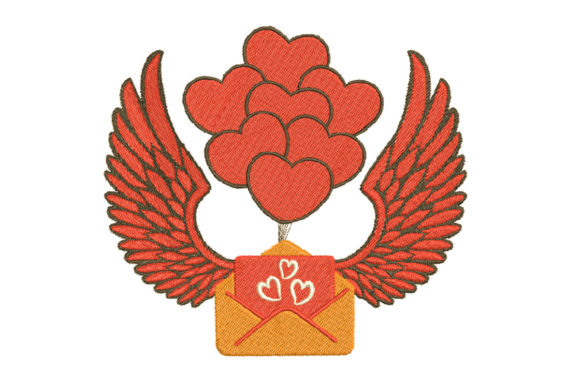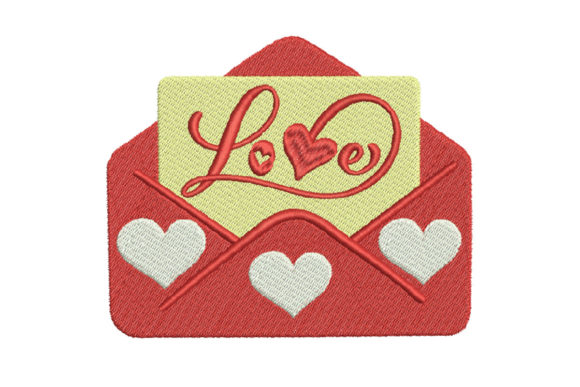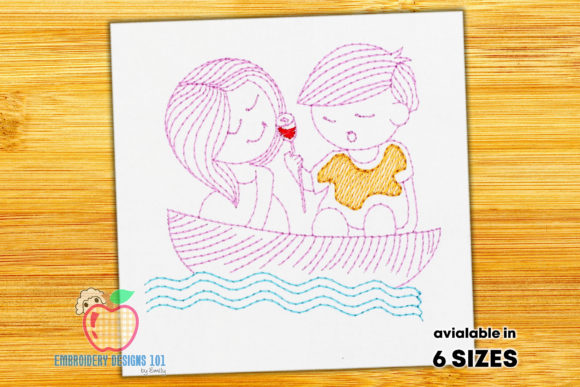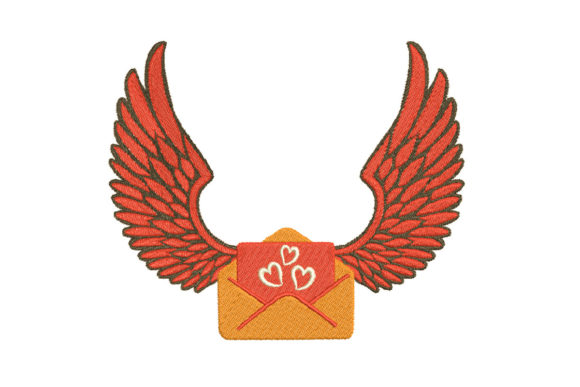
Flying Envelope with Wings Design Review
As a professional embroidery designer who has spent years refining designs for commercial use, I approach every new digital file with a critical eye. When evaluating a design like Flying Envelope with Wings, I am not just looking at the aesthetics; I am assessing its viability as a business asset. For small business owners, Etsy sellers, and merch creators, the difference between a decorative element and a functional brand identity marker is often found in the details of stitch density, scalability, and overall visual weight.
The concept of a flying envelope adorned with wings immediately suggests movement, speed, and a touch of whimsy. However, when we strip away the romantic context of Valentine S Day and look at this purely through the lens of a branded patch or a uniform accent, the conversation changes. Is it bold enough to hold up on a busy work shirt? Does it convey professionalism, or does it feel too playful for a corporate environment? This review breaks down how Flying Envelope with Wings performs in real-world applications for custom apparel and product packaging.
First Impressions: Personality and Brand Alignment
The initial visual impact of Flying Envelope with Wings leans heavily into a friendly, elegant, and slightly rustic aesthetic. It feels handmade rather than industrial. For brands that want to project warmth, creativity, and a personal touch, this design offers an immediate advantage. It works exceptionally well for boutique merchandise, creative studios, and artisanal bakeries where the "handmade" narrative is central to the sales pitch.
However, if you are running a high-end florist shop or a luxury pet brand that requires a sleek, modern logo, this design might feel a bit too soft. The winged motif adds a layer of fantasy that can dilute a strictly serious brand identity. In the world of brand identity, consistency is key. If your other assets are sharp and geometric, adding a flowing, romantic design like this could create visual dissonance. But for a local café wanting to offer cozy aprons or a gift shop selling tote bag designs, the personality here is perfect. It invites the customer in and suggests a story behind the brand.
Real-World Application: From Patches to Product Labels
When considering Flying Envelope with Wings for embroidered patches, the potential is significant but requires strategic placement. A patch featuring this design could serve as a chest logo accent on a staff uniform for a coffee shop, signaling a team that values care and communication. Alternatively, it could be the star of a limited-edition run for a craft business, sewn onto denim jackets or canvas totes.
I have seen similar motifs used effectively as sleeve details on work shirts or as a subtle mark on the cuff of a chef's coat. For a bakery, stitching this design onto a branded product label or a small tag attached to a pastry box creates a delightful unboxing experience. It transforms a standard item into a memorable gift. The design also shines as a tote bag design, where the wings can symbolize the journey of the goods from the maker to the buyer.
In the realm of digital embroidery files, this asset is versatile enough for various commercial embroidery projects. Imagine a series of event merch for a wedding planning studio or a creative workshop. The envelope represents the invitation, and the wings represent the delivery of joy. It is a clever metaphor that resonates with customers. For small business merch, using this design allows you to differentiate your products from the generic, mass-produced options found online. It adds a layer of bespoke quality that justifies a higher price point.
Critical Considerations and Limitations
Despite its charm, there are specific scenarios where Flying Envelope with Wings must be used with caution. The primary concern for any designer is scalability. When reducing a design for a small patch size or a cap front, intricate details can disappear. If the wings contain fine lines or if the envelope texture is too complex, the result may look muddy or blob-like once stitched.
Curved surfaces, such as the front of a baseball cap, present another challenge. Designs with strong vertical or horizontal symmetry often distort on curved panels. You must test how the wings align when the fabric stretches over the curve. Additionally, if the design features tiny lettering or very thin outlines, it may fail on textured fabrics like heavy canvas or terry cloth. The thread might not penetrate the weave cleanly, leading to gaps in the image.
For items that require frequent washing, such as apron embroidery or staff uniforms, stitch density is crucial. If the design relies on satin stitches that are too narrow, they will wear down quickly. Dark uniforms also pose a risk; if the background fill is light, it may not cover the dark fabric underneath without excessive underlay, which can cause puckering. Always inspect the spacing between elements before committing to a large production run.
Impact on Customer Trust and Professionalism
The quality of your embroidery directly influences customer trust and perceived value. A poorly executed design can make a brand look amateurish, while a well-executed one elevates the entire product line. Flying Envelope with Wings, when done correctly, signals attention to detail. It tells the customer that the business owner cares about the finish of their products.
This design fosters a sense of connection. In a market saturated with digital interactions, a physical embroidered item carries emotional weight. When a customer receives a tote bag or a hat with this charming design, they are more likely to engage with the brand again. It enhances product value by turning a simple utility item into a collectible piece of art. However, this only works if the final output is clean, with no loose threads or misaligned stitches. The visual consistency across all your design assets is what builds a cohesive brand presence.
Practical Designer Notes for Production
Before you upload this file to your machine for a bulk order, follow these essential steps to ensure success. First, always test the design in black and white. This removes the distraction of color and lets you see the true structure of the stitches. Does the balance feel right? Are the negative spaces sufficient?
Check if the design works at your intended hoop size. Many digital files are optimized for a 4x4 hoop, but if you need a larger patch, you may need to digitize it again. Review the thread colors to ensure they provide enough contrast against your chosen fabric. A light blue envelope on a white shirt might get lost, whereas a navy or gold thread would pop.
Inspect the spacing closely. Crowded elements lead to thread breaks and fabric distortion. Confirm that you are using the proper stabilizer for your fabric type. Heavy stabilizers are needed for stretchy knits, while cut-away stabilizers are better for woven garments that will be washed frequently. Create a printable mockup for client approval before cutting any fabric. This saves time and money if adjustments are needed.
Finally, compare this design beside your other custom apparel assets to ensure it fits the collection. Most importantly, confirm the commercial licensing terms. Just because you bought the file does not automatically mean you own the rights to sell thousands of embroidered products. Verify the license agreement to avoid legal issues.
In conclusion, Flying Envelope with Wings is a versatile and charming option for small businesses looking to add a touch of romance and whimsy to their finished product. Whether used as a unique embroidery file for a boutique collection or a standout accent on a staff uniform, it has the potential to elevate your brand. By following these professional guidelines and understanding its limitations, you can turn this design into a powerful tool for your business growth.